
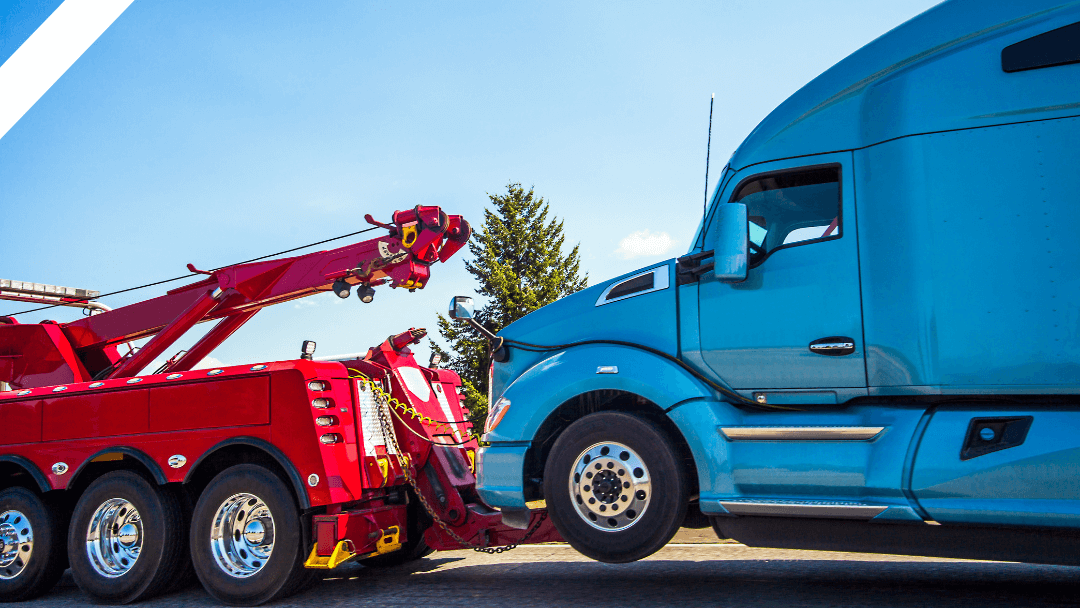
A collision with an 18‑wheeler isn’t a “fender bender.” It’s life‑altering, and in South Texas, seconds after impact can decide the outcome of a claim. This guide explains how victims in McAllen can pursue compensation, what federal rules shape Texas trucking cases, who may be liable, and why fast evidence collection is critical. It also outlines damages that may be recovered after catastrophic truck accidents and the attorney strategies that matter in 2025. If they’re weighing next steps, speaking with experienced McAllen Truck Accident Attorneys early often makes the difference between a low settlement and a full, properly documented recovery. See more on preserving proof in the sections below.
Atlanta’s highways are known for heavy commercial traffic, and accidents involving large trucks can be life-changing. When victims seek justice, an experienced 8 wheeler attorney can help uncover what really caused the crash—whether it was driver fatigue, poor maintenance, or negligence on the part of the trucking company. Their job is to protect your rights and make sure the truth comes to light.
After a serious trucking accident, dealing with insurance companies and legal procedures can feel overwhelming. Having a skilled legal team by your side ensures you’re not facing it alone. By choosing a trusted firm like Dressie Law, you get dedicated support focused on securing fair compensation and guiding you through every step of the process.
Common causes of 18-wheeler truck accidents in McAllen
McAllen sits at the crossroads of major freight routes like I‑2/US‑83 and I‑69C, with dense commercial traffic, construction zones, and sudden weather shifts. That mix amplifies common causes of large‑truck crashes:
- Driver fatigue and hours‑of‑service violations: Long stretches behind the wheel, especially on overnight hauls, slow reaction times and decision‑making.
- Distracted driving: Phones, dispatch tablets, and GPS inputs steal crucial seconds. Post‑crash phone records often tell the story.
- Speeding and tailgating: Heavy loads mean longer stopping distances. Even “just 5 mph over” can be catastrophic in a work zone.
- Unsafe lane changes and blind‑spot conflicts: Tractor‑trailers have sizable no‑zones: cars riding alongside get lost from view.
- Impaired driving: Alcohol, prescription meds, and stimulants remain recurring factors in serious wrecks.
- Cargo issues: Overweight or poorly secured freight triggers rollovers, jackknifes, and shifting loads that push rigs off line.
- Maintenance failures: Worn brakes, bald tires, and lighting defects are preventable but common when fleets cut corners.
Local realities matter too. Sudden downpours on the expressway, farm equipment entering state roads, and frequent border‑to‑port runs mean drivers encounter abrupt slowdowns. When negligence intersects with these conditions, the results are severe.
Federal trucking regulations shaping Texas accident claims
Commercial carriers operating in and through McAllen must comply with Federal Motor Carrier Safety Regulations (FMCSRs), which often become the roadmap for proving fault.
Key rules that frequently surface
- Hours of Service (49 CFR Part 395): 11‑hour driving limit after 10 consecutive hours off: 14‑hour on‑duty window: 30‑minute break: and 60/70‑hour weekly caps. Violations can support negligence per se arguments.
- Electronic Logging Devices (ELDs): Required for most interstate carriers: ELD data validates (or contradicts) logbooks and trip claims.
- Driver qualification and training (Part 391): Background checks, medical certification, and road testing. Gaps may suggest negligent hiring or retention.
- Drug and alcohol testing (Part 382): Post‑accident tests are time‑sensitive. Delays raise red flags.
- Inspection, repair, and maintenance (Part 396): Daily vehicle inspections and repair records are discoverable evidence.
- Cargo securement and weight limits (Part 393): Improper tie‑downs or overweight loads often correlate with rollovers and brake failures.
Texas adopts these standards via the DPS, and violations can influence fault even in intrastate runs. Skilled McAllen Truck Accident Attorneys use ELD exports, ECM “black box” pulls, DVIRs, and dispatch records to reconstruct a driver’s true workday, mile by mile. See more on evidence preservation below.
Determining liability in large commercial vehicle collisions
Liability in 18‑wheeler cases is rarely limited to the driver. Multiple entities may share responsibility, and identifying them early expands insurance resources and recovery options.
Who may be responsible
- Truck driver: Speeding, distraction, fatigue, impairment, or unsafe maneuvers.
- Motor carrier/employer: Vicarious liability (respondeat superior) for on‑duty acts, plus direct negligence in hiring, training, supervision, or safety policy enforcement.
- Broker/shipper: Potential liability if they exercised control over safety‑critical aspects or negligently selected an unsafe carrier.
- Maintenance contractors: Faulty repairs, missed inspections, or defective components.
- Manufacturers: Product defects (tires, brakes, steering) triggering product liability claims.
- Government entities: Dangerous road design, missing signage, or negligent maintenance, subject to strict notice and immunity rules.
How liability is proven
- Data and documents: ELD/ECM downloads, GPS breadcrumbs, fuel and toll receipts, weigh‑station slips, and bills of lading expose the true timeline.
- Digital footprints: Cell‑phone records and in‑cab camera video illuminate distraction and driver behavior seconds before impact.
- Scene science: Skid and yaw marks, crush analysis, drone mapping, and 3D scans support accident reconstruction.
- Safety culture: Prior violations, safety ratings, and training gaps can show systemic negligence (introduced within Texas evidentiary rules).
Texas uses proportionate responsibility with a 51% bar: if a victim is more than 50% at fault, they can’t recover: otherwise, damages are reduced by their percentage of fault. Interstate carriers often carry layered insurance (primary plus excess/umbrella), and MCS‑90 endorsements may affect payment obligations. Coordinating claims across multiple policies is a core role of counsel.
Damages available to victims of catastrophic truck accidents
Compensation in serious truck cases should reflect both today’s losses and tomorrow’s needs.
- Medical expenses: Hospitalization, surgeries, rehab, medications, medical devices, and home health. In Texas, recoverable medicals are limited to amounts actually paid or incurred.
- Future care and life‑care planning: Long‑term therapies, attendant care, and home or vehicle modifications documented by experts.
- Lost wages and diminished earning capacity: Pay stubs and vocational assessments quantify past loss and what a person can now earn.
- Pain, mental anguish, and loss of quality of life: Non‑economic harms tied to the severity and duration of the injury.
- Physical impairment and disfigurement: Distinct elements under Texas law.
- Property damage and loss of use: Vehicle repairs/replacement, rental costs, and personal property.
- Wrongful death and survival claims: Funeral expenses, loss of companionship and support, and the decedent’s conscious pain and suffering.
- Exemplary (punitive) damages: Reserved for gross negligence or malice and subject to statutory caps.
Pre‑ and post‑judgment interest may also apply. Properly documenting these categories, and connecting them to clear liability, is vital to avoid undervaluation by insurers.
Importance of early evidence collection after trucking crashes
In trucking cases, evidence doesn’t just “fade”, it can be overwritten, repaired, or legally destroyed under routine retention policies. Acting fast is non‑negotiable.
What to preserve, immediately
- The tractor and trailer: Secure a no‑repair hold for a joint inspection and ECM/ELD downloads.
- Electronic data: ELD logs, telematics, dashcam video, and driver messaging platforms (often overwritten in days).
- Driver records: Hours‑of‑service logs, route plans, dispatch notes, and post‑accident drug/alcohol test results.
- Cargo and maintenance paperwork: Bills of lading, weight tickets, DVIRs, work orders, and inspection reports.
- Scene evidence: 911 audio, body‑cam footage, traffic/surveillance video, roadway debris, skid marks, and event timelines.
- Witness information: Names, contact details, and brief statements while memories are fresh.
A formal spoliation/preservation letter should go out within days to the carrier, insurer, and any broker/shipper. Parallel to that, victims should prioritize medical care and avoid recorded statements to the adverse insurer without counsel. Texas’s general two‑year statute of limitations applies to injury and wrongful‑death claims, but notice to government entities can be far shorter. See more about counsel’s rapid‑response role below.