
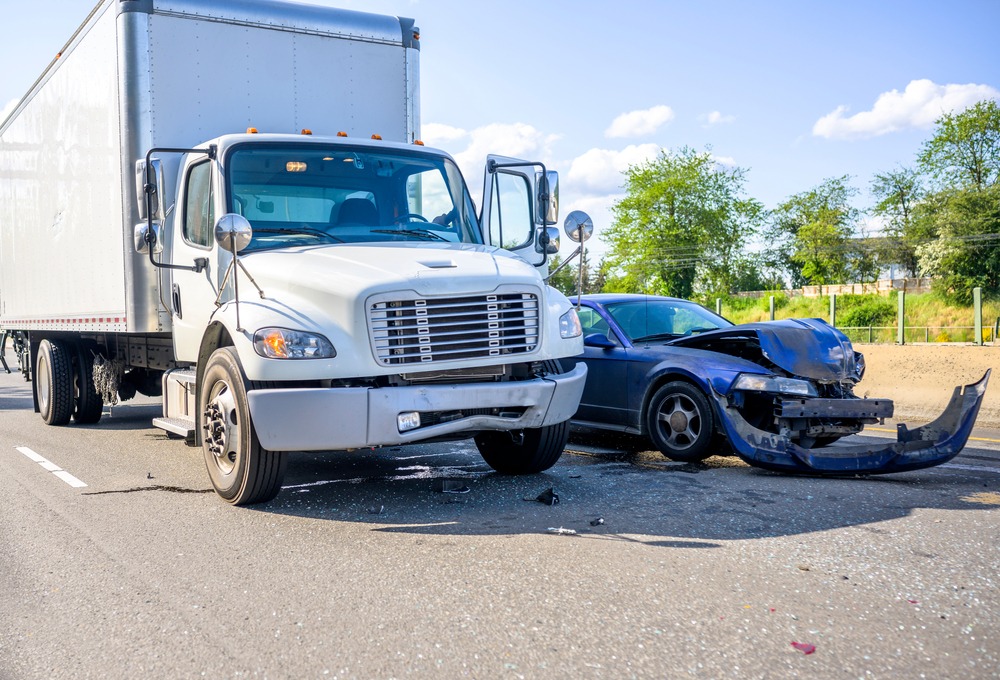
When a truck crash happens during the workday, on I-10, U.S. 98, or a crowded loading dock, the fallout touches two legal worlds at once: workers’ compensation and personal injury law. Understanding how they overlap is critical to protecting an injured worker’s health, wages, and long‑term future. This guide explains the rights employees have after a Pensacola trucking incident, how liability is determined, and how claims can be combined to maximize recovery. For case-specific guidance, many turn to Michles & Booth, Pensacola Truck Accident Lawyers, to coordinate both claims efficiently and pursue every available source of compensation.
How truck accidents intersect with workers’ compensation claims
Truck and commercial vehicle crashes often create a two-track recovery. If an employee is injured within the course and scope of employment, driving a delivery route, riding with a crew, loading a trailer at the Port of Pensacola, or traveling between job sites, Florida workers’ compensation should cover medical care and a portion of lost wages regardless of fault.
At the same time, if a third party caused the collision, another trucking company, a negligent motorist, a maintenance contractor, or a parts manufacturer, the injured worker may also have a separate personal injury claim. That lawsuit can seek damages workers’ comp doesn’t provide, including pain and suffering and full loss of earning capacity.
Two key realities shape this intersection:
- Workers’ compensation is generally the exclusive remedy against the employer and co-workers, but not against negligent third parties.
- The comp insurer often has a lien on any third-party recovery, which must be managed strategically so the worker’s net recovery isn’t diluted.
Many cases involve disputed employment status. Drivers labeled “independent contractors” may still qualify for comp based on how much control the company exercises. Sorting that out early keeps benefits flowing while the liability case is built.
Determining liability in commercial vehicle collisions
Liability in trucking collisions turns on evidence, fast. In Pensacola, that means moving quickly before critical data disappears.
Common at-fault parties include:
- The truck driver (speeding, fatigue, distraction, improper lane changes on I‑110)
- The motor carrier under respondeat superior for on-duty driver negligence
- Brokers/shippers (in limited scenarios involving control or unsafe load instructions)
- Maintenance contractors or parts manufacturers (brake failures, tire blowouts)
- Other motorists who cut off or sideswipe a truck
Key evidence often includes electronic control module (ECM) downloads, electronic logging device (ELD) hours-of-service data, dashcam footage, bills of lading, dispatch notes, Qualcomm/telematics, post-crash drug/alcohol test results, and Florida Highway Patrol crash investigations. Violations of Federal Motor Carrier Safety Regulations (HOS, vehicle inspection, hiring and supervision) can support negligence, negligent entrustment, and punitive exposure in egregious cases.
Florida now follows modified comparative negligence. In most negligence cases, if an injured person is more than 50% at fault, they recover nothing: otherwise, damages are reduced by their percentage of fault. That makes reconstruction experts, scene measurements, and early witness interviews crucial to counter defense narratives and protect the claim’s value.
Rights of employees injured in Pensacola trucking incidents
Injured employees in Florida have concrete rights after a work-related trucking crash:
- Timely medical care with an authorized provider, including specialists, imaging, surgery, therapy, and prescriptions.
- Wage replacement if they are taken off work or restricted: temporary total or temporary partial disability benefits, typically a percentage of the average weekly wage.
- A one-time change of physician upon request, which the insurer must honor within statutory timelines.
- Reimbursement for mileage to authorized medical care.
- Vocational rehabilitation in qualifying cases.
- Protection from retaliation for filing a workers’ comp claim (Florida law prohibits it).
They also retain the right to pursue a third-party personal injury claim against those who caused the crash. Deadlines matter: injuries should be reported to the employer promptly (generally within 30 days), and personal injury claims now typically carry a two‑year statute of limitations for negligence in Florida. Coordinating these rights avoids gaps in treatment and preserves leverage in settlement discussions.
Combining workers’ comp benefits with personal injury lawsuits
Most serious truck crash cases follow a coordinated path: accept the speed and certainty of workers’ comp for immediate medical care and wage benefits, then pursue a third-party claim for full damages. The two interact in important ways.
- Lien and subrogation: Under Florida law, the workers’ comp carrier often has a right to reimbursement from a third‑party recovery. Attorneys negotiate this lien using an equitable distribution approach that accounts for fault, the total value of damages, and the costs of recovery. Effective negotiation can significantly increase the worker’s net.
- Strategic timing: Settling comp too early can undermine leverage in the liability case: settling the liability case without addressing the comp lien can produce surprises. Counsel typically coordinates both, sometimes sequencing resolutions or using structured settlements to manage future medical needs.
- Insurance stacking: Commercial policies can include primary, excess, and umbrella coverage: uninsured/underinsured motorist coverage may also be in play on employer or personal policies. Identifying and unlocking all layers is essential.
- Medicare/benefit coordination: Conditional payments and future medical interests must be handled correctly to avoid post‑settlement issues.
Experienced Pensacola Truck Accident Lawyers, such as the team at Michles & Booth, routinely align these moving parts so injured workers don’t leave compensation on the table.
Compensation categories covering medical and wage losses
Workers’ compensation and personal injury claims cover losses differently.
In workers’ compensation:
- Medical: 100% of reasonable, necessary, authorized treatment related to the work injury.
- Wage loss: temporary total or partial disability benefits based on average weekly wage: impairment income benefits if a permanent rating is assigned.
- Other: mileage reimbursement, vocational rehab, death benefits for qualifying dependents.
In a third-party truck accident claim:
- Medical expenses: past and future, including surgeries, therapy, and home or vehicle modifications.
- Wage losses: past missed pay and future diminished earning capacity.
- Non-economic damages: pain and suffering, mental anguish, and loss of enjoyment of life, categories not available in workers’ comp.
Together, these categories can bridge immediate needs and long-term impacts when a commercial vehicle crash upends a worker’s life.